Hunter Horne
Cofounder, mathematics and theory
LinkedInSimulations, solvers, and monitoring systems often apply the same matrix, grid, or network to an input that changes a little at a time, and still recompute the whole result every step. We change that code to update the result from the part of the input that changed, and we measure the new version against the old one on your hardware.
Simulations that revisit the same system while only a small region of the grid changes.
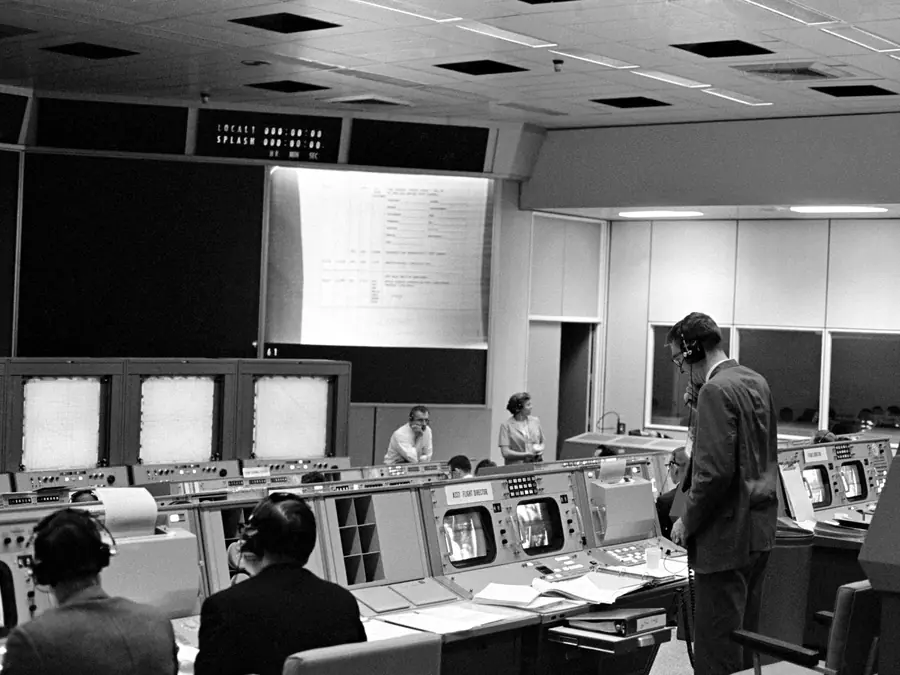
A state estimate re-solved over a fixed network each time a few sensors report.
Rollups from sensor to rack to room, rebuilt from the leaves when a few readings move.
Video analysis where most of each frame matches the frame before.
We ask what the system does, how often it recomputes and how long that takes, what it runs on, and how exact the result has to be. No preparation needed.
We run your workload on your machines and report what we measured, the conditions behind each number, and the changes that would produce it.
We make the change inside your program, in its own language, with your engineers.
We work under your NDA and on your machines, connected or air-gapped. Your data stays with you, and we publish only what you approve in writing.
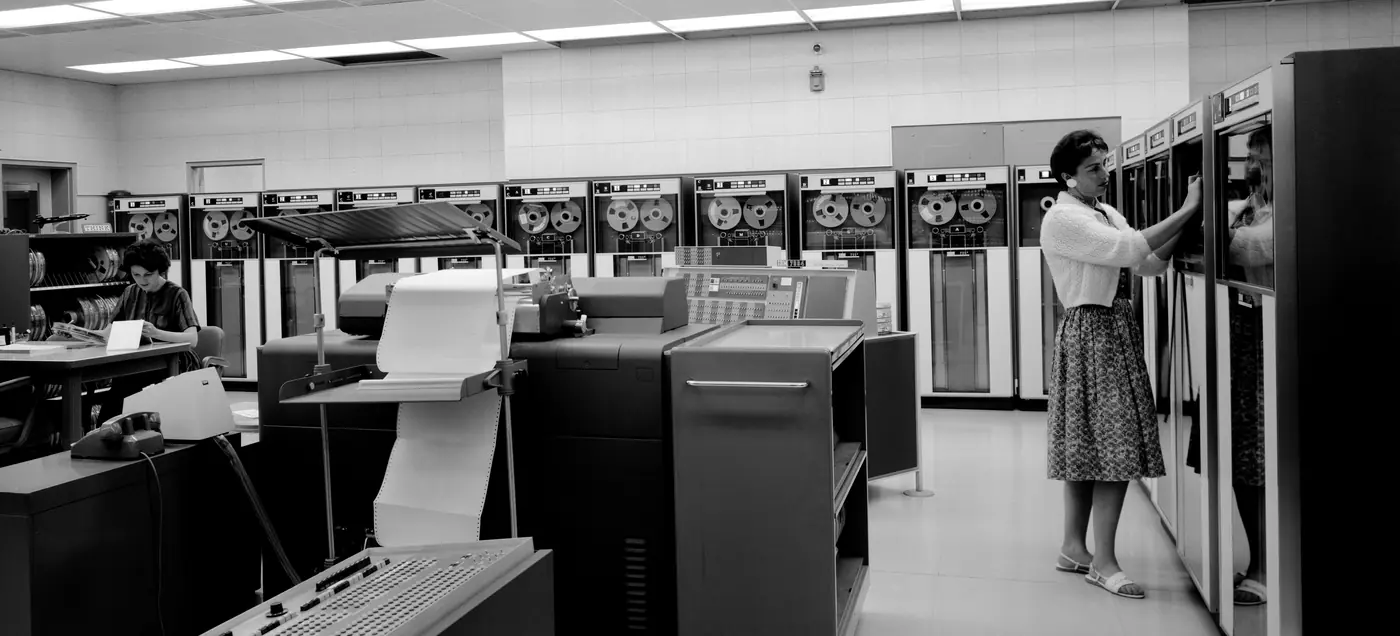
Delta Routing, our public project, updates the output of a fixed operator from the part of its input that changed.
Update from the change against a full matrix-vector product (cblas_dgemv, tuned OpenBLAS 0.3.26, one thread). N = M = 1024, f64, scattered changes, one pinned Intel i7-1165G7 core. Measured 11 August 2026.
Cofounder, mathematics and theory
LinkedIn
Cofounder, implementation
LinkedInMember of the NVIDIA Inception program and AWS Activate.